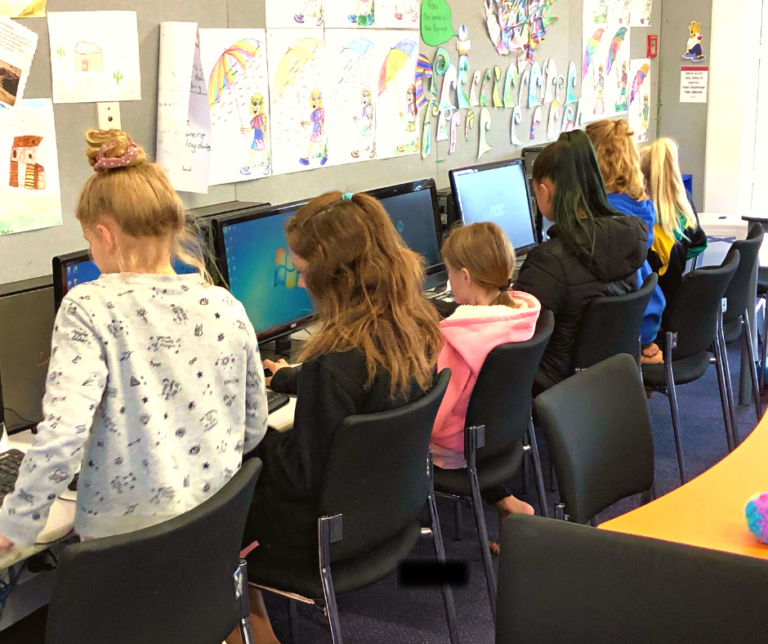
Keeping resources in use cuts waste and creates real value for communities. We measure and report what’s recovered, so you can see the difference your project made.
By redirecting furniture, equipment and other resources, we extend their useful life and create positive community impact
Community organisations
Suitable resources are matched with community organisations through our partner network.
All Heart Stores
Goods are prepared for resale, extending their life and funding our work.
Recovery partners
Materials go to specialist reuse, repurposing and recycling partners.
How we report
We understand your project outcomes
We agree reporting at the start. Depending on the service and available data, this may include quantities recovered, recovery pathways and relevant environmental and social outcomes.
Environmental
Weight recovered
Diversion from landfill
Carbon avoided
Material recovery
Social
Community organisations
Resources redistributed
Employment and training
Impact stories
Commercial
Resource value recovered
Disposal costs avoided
Operational efficiencies
Programme trends
Governance
Transparent reporting
H&S and compliance
Partner governance
Continuous improvement
We maximise recovery and minimise landfill
At each stage, this hierarchy guides the decision.
1
Reuse / redirect
Keep the item doing the job it was made for.
Most preferred
2
Repair / repurpose
Extend its life or find another use.
3
Recycle materials
Recover useful material where practical.
4
Residual disposal
Only when a viable recovery pathway is not available.
Least preferred
Useful first. Materials second. Disposal last. Landfill is a last resort, not the default.
Reports
Annual report
Our programmes, successes, financial performance and learnings over the past year.